
December '25 Reading List
I’ve kept a list of all the books I’ve read since 2010. I wish I had started soon; it pains me to think of the books I enjoyed in my teens and twenties that I might revel in revisiting but sadly now I’ve forgotten about. I read to collate all my annual lists and have a deep dive into what books I’ve covered, and what I might want to give a second or third read to, but in the meantime, this is December’s reading (so far):
Emma Dabiri - What White People Can Do Next: From Allyship to Coalition (Penguin, 2021)
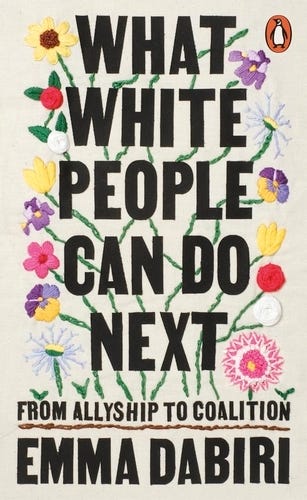
I got this from Cookstown Library, needing something to read while up visiting and staying over. Besides the well crafted and provoking arguments and insights into racism and its causes, I unexpectedly found a quote from Audre Lorde about the nature of guilt, which I found useful in applying to other parts of life: “[a]ll too often, guilt is just another name for impotence, for defensiveness destructive of communication; it becomes a device to protect ignorance and the continuation of things the way they are, the ultimate protection for changelessness… I have no creative use for guilt, yours or my own. Guilt is only another way of avoiding informed action, of buying time out of the pressing need to make clear choices.”
Of course, paradoxically, I feel guilty in that the one facet I highlight from a book about racism is quoted to serve my own interests, but this was an excellent quick read, especially the insights around the Barbados Slave Code of 1661 which marked the beginning of the legal codification of slavery, and was responsible for promoting the idea of ‘White’ and ‘Negro’ as “separate and distinct races”, and hence the root of modern racism.
Eiléan Ní Chuilleanáin - The Mother House (Gallery Press, 2019)
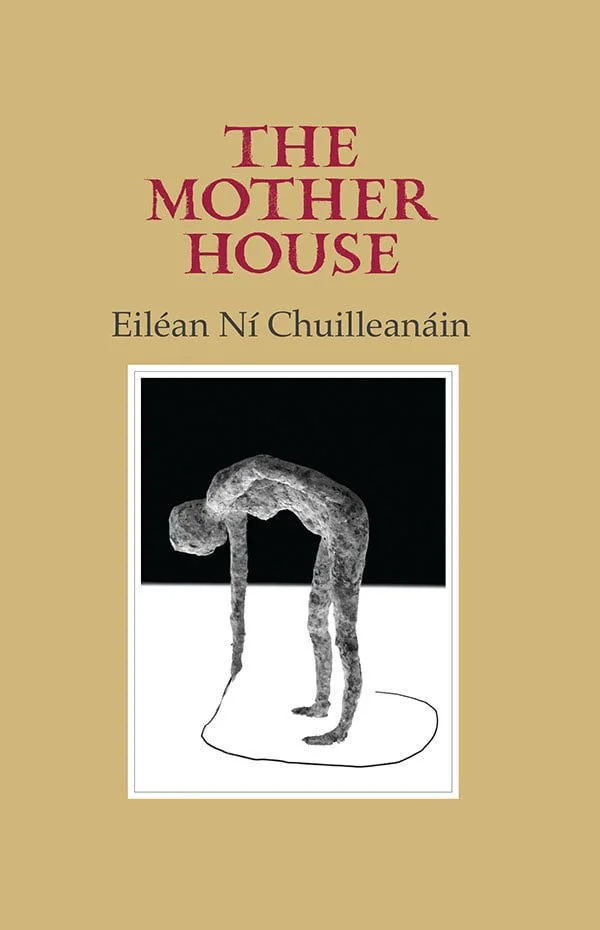
A strange one, this: I thought I had read only half this book earlier in the year, and had forgot to return to it; but after finishing it and consulting my reading list, I found I had actually read it completely in January. I only remembered the poems in the first half; poetry is slippery like that, some sticks with you, some can fall right away if you aren’t paying attention.
Christiane Ritter - A Woman in the Polar Night (trans. Jane Degras) (Pushkin Press Classics, 2024)
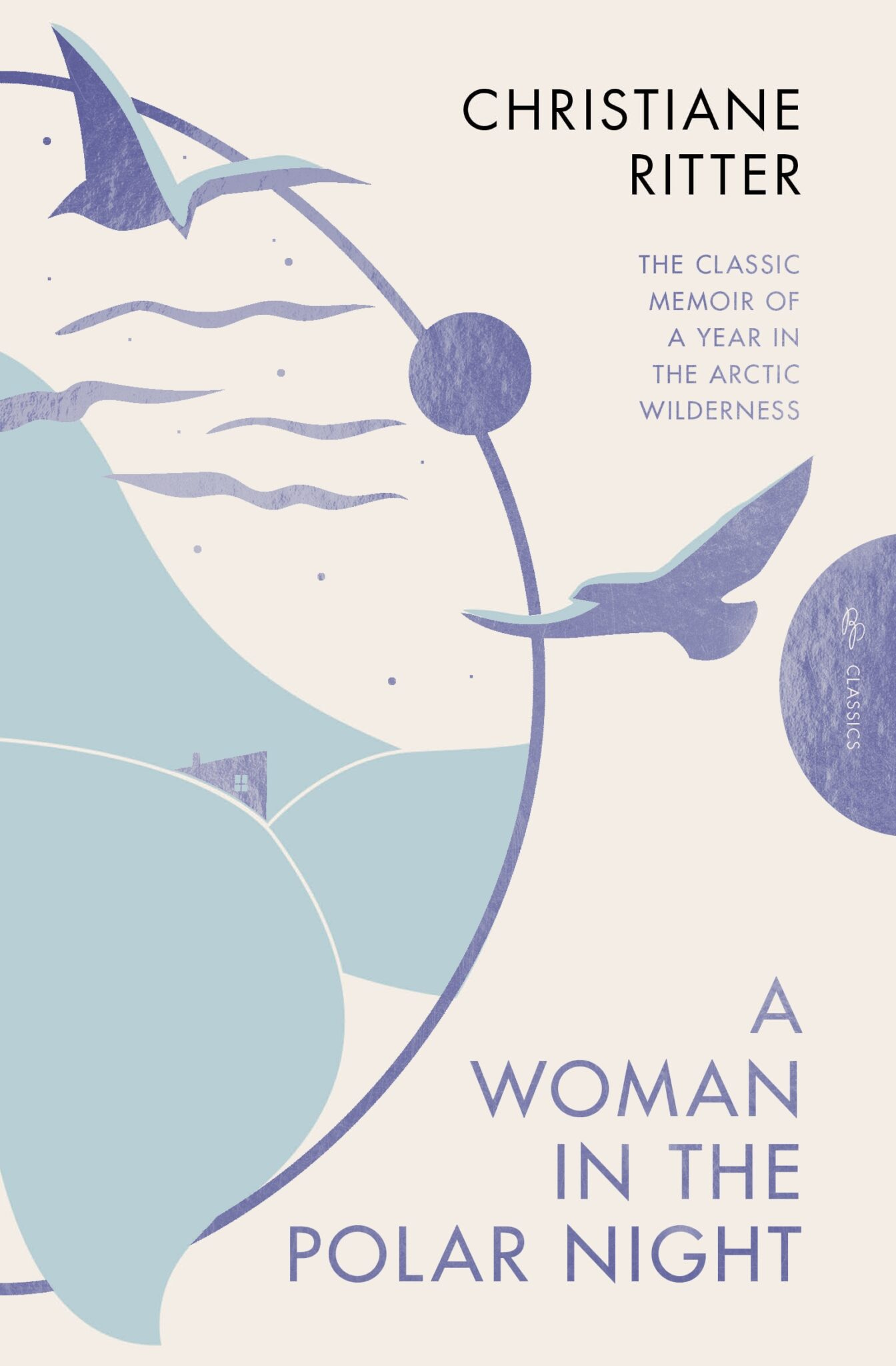
I got to this book through Sigri Sandberg’s An Ode To Darkness, which I read in November, and which was inspired by Ritter’s writing ( I love it when reading a book lead to discovering other books). I’m attracted to testimonies of endurance and survival, and this is one of the earliest widely-known accounts from a female perspective that details life within the Arctic Circle, in this case in a remote hut in Svalbard, known as Spitsbergen at the time Ritter was writing (her only book) in 1933. One of the most enjoyable books I’ve encountered this year.
Andrey Kurkov - Diary of an Invasion (Mountain Leopard Press, 2022)
I read Dostoyevsky’s The Gambler last month, and am currently making my way slowly through War and Peace, so perhaps to offset my guilt (there’s the concept of guilt again) at reading Russian literature during the current political climate, I found Kurkov’s book about the invasion of Ukraine. Lots on offer here about Ukrainian and Russian history and relations, that you won’t necessarily garner from the average news report.
Richard Brautigan - So The Wind Won’t Blow It All Away (Rebel Inc., 2001)
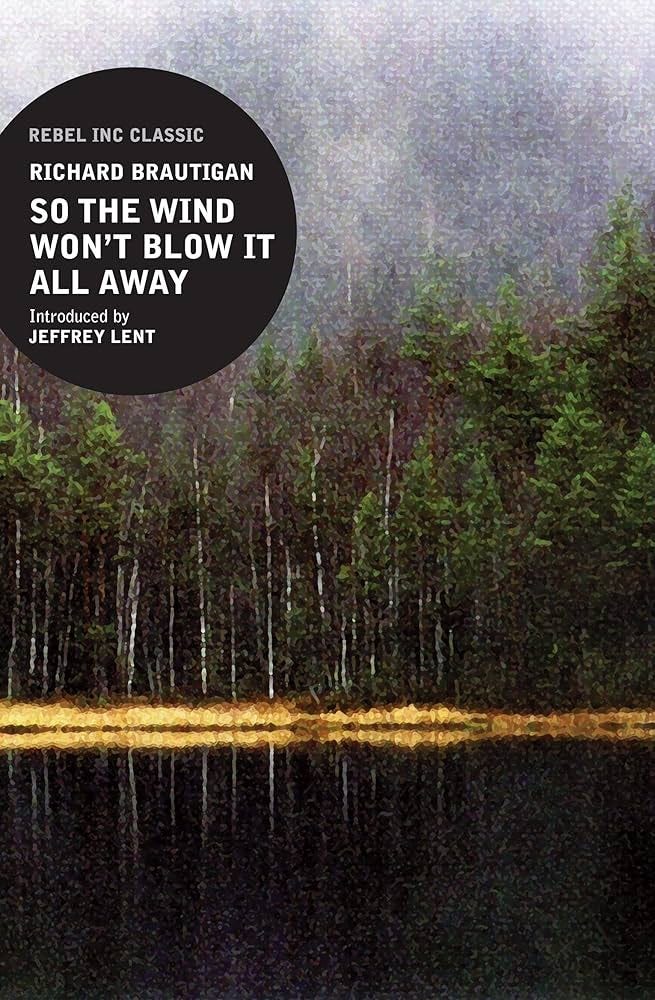
Brautigan is one of my favourite writers, so I like to dip in and revisit him occasionally. Back in August I read his collection of short prose, Revenge of the Lawn (the first book I read of his and would happily re-read again right now), and had been thinking of this book for some reason; I had a certain image in mind, of someone being shot with a BB gun and the pellet being stuck under the skin, but I was conflating two stories. I’ve realised just now while typing that that particular image is from film The Royal Tenenbaums (and is real, the hand is question is Andrew Wilson’s, brother of Owen and Luke who star in the film). Nevertheless, it’s always good to spend some time with Brautigan. It’s a short read, only 104 pages, easily manageable within a weekend.
Ben Lawrence - The Treeline: The Last Forest and the Future of Life on Earth (Vintage, 2023)
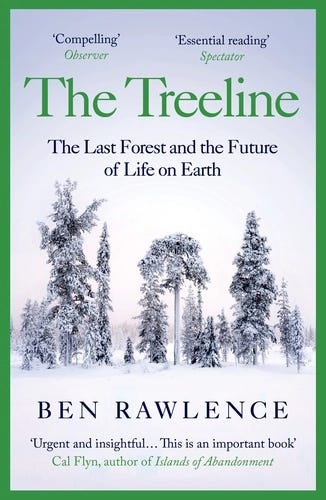
This book however, was a slow read, one chipped away at over a few months; not because it was uninteresting, but because it was ladened with a lot of science, something you read to learn and discover rather than get engrossed in the narrative. This made me fearful for the state of the environment, for future generations, but there are smatterings of hope throughout. We need to trust scientists more over corporations and billionaires. Sadly I read today that the Trump administration is halting the development of offshore wind farms, citing national security risks (but not actually explaining what the risks might be). Apparently a wind turbine is a weapon of mass destruction… for the fossil fuel industry and its lobbyists, that is.
Emilie Morin - Suzanne Dumesnil, Suzanne Beckett (Cambridge University Press, 2025)
Sometimes, you ask the right question at the right time. I was trying to find a copy of Suzanne Dumesnil’s story ‘F-’ online, and asked if an online Samuel Beckett group if anyone had a link. A kind Internet stranger mentioned that the story wasn’t available online, but coincidentally, a new biography of Dumesnil had just been published by Cambridge UP, and was available to download for the next fortnight only (this was a few months ago, it’s now £18 to access the download). I’m really grateful to have found this. Information is generally scant on Dumesnil, but Morin has done an excellent job, and righted some of the wrong committed by previous Beckett biographers. I’ve just purchased a copy of Anthony Cronin’s The Last Modernist off the back of this, a book I haven’t explored since university. Some happy days of reading lie ahead.